From Confusing to Clear How Audio Compression Works

Outcome
- Define dynamic range as the loudest and quietest parts of a signal
- Develop an understanding of why we may want to use compression to control dynamic range and achieve a more consistent signal
- Adjust and shape a sound signal using common compressor parameters; ratio, threshold, attack, release, and makeup gain
- Understand that compression affects the tone of a signal giving it both practical and creative uses

Script
Welcome to our brief introduction to compression. Let's dive in!
Dynamic Range
In a passage of music, it is common for some parts to be louder than others. The difference between the loudest and quietest parts are referred to as dynamic range. While a wide dynamic!range can help to add depth to a piece of music, there are many cases where one may want to reduce the dynamic range of our recorded passage. Compression is one of several tools that can be used to control the Dynamic Range of an audio signal. Compression works by reducing the gain (or volume) of the loudest sounds in a recording to help them better match the volume of the quieter parts.
Controls
Though every compressor is different, most digital compressors have a suite of shared parameters that determine how they function. The two most important of these are the threshold and ratio. The Threshold, measured in Decibels, determines at which point the compressor will be activated. Any part of the waveform that moves above this Threshold value will be compressed. Once a signal passes the threshold, and the compressor is engaged, the Ratio will determine how much the signal will be reduced. For example, a 4:1 compression ratio will cause any signal above the threshold to be reduced three quarters of the way to the threshold level. Let’s say we have our compressor set with a ratio of 4:1 and a threshold of -20dB. If the gain of one passage peaks at -12dB, which is 8dB louder than our threshold of -20dB, the compressor will essentially divide this 8dB overage by our ratio of 4, meaning that the gain over the threshold will be reduced by 6dB, giving us an overall peak value of -18dB. If we have another passage which peaks at -22dB, its gain will not be affected, as it is below our threshold of -20dB. Lower ratios (such as 2:1) will result in less gain reduction, whereas higher ratios (such as 8:1) will result in more gain reduction
In practice, compressors are rarely this mathematical about how they work, due in a large part to the attack and release controls. The Attack control determines how long the compressor will take to fully engage when an input signal goes above the threshold value. By making the attack speed slower, you can let some of the transient (or attack) of a signal through your compressor. This can help to prevent the compressor from altering the character of your signal too much, while still regulating its volume. On the other hand, the Release control specifies how long it will take for the compressor to stop reducing the gain once the input signal has moved back below the threshold. Many compressors also have an auto-release function, which is best left off as it gives you less control over the sound. Both attack and release are typically measured in milliseconds.
It can be helpful to think about how you would like to shape the sound of your recording when setting these attack and release values. For example, if you want to “squash” a sound and make it feel processed, setting fast attack and release values will make the compressor hyper sensitive to all changes in volume, whereas if you would like to gently contour a sound, setting slower attack and release values will generally make your compressor sound more natural.
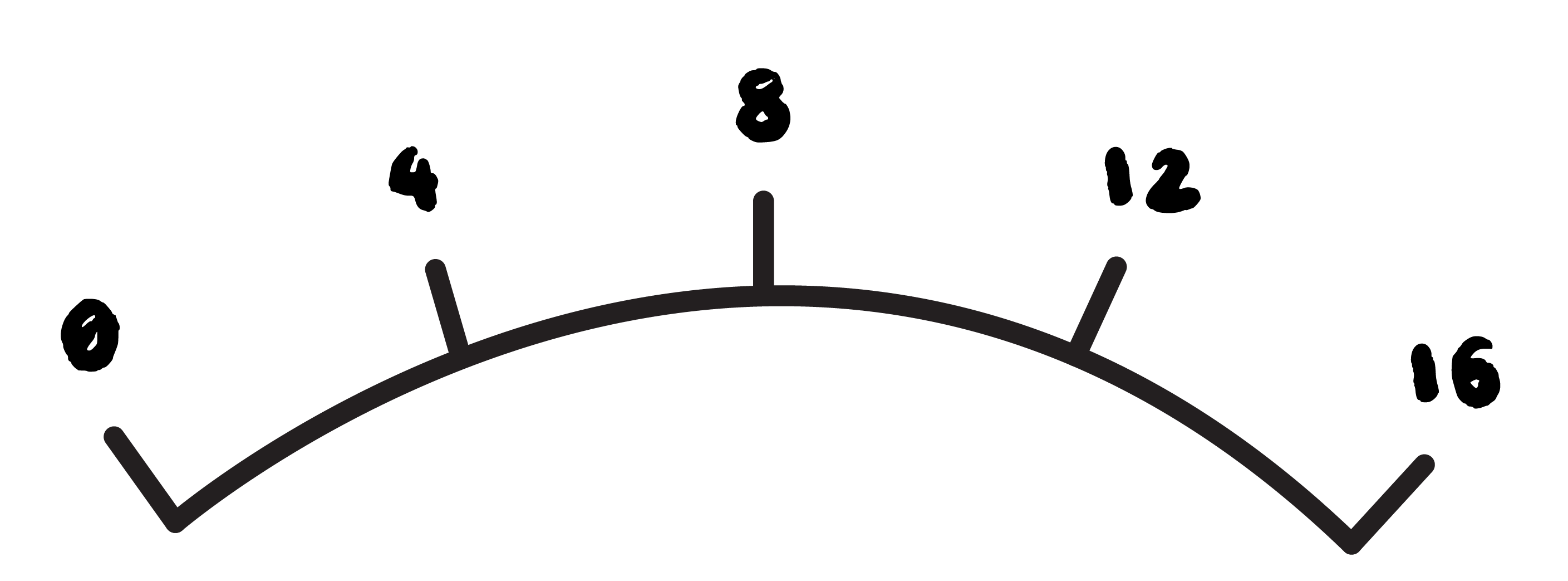
Since a compressor can only reduce the volume of your signal, most compressor plugins come with a makeup gain knob that can help raise the volume of your signal back up. A good way to set this is to look at your compressor’s gain reduction meter and set the makeup gain to be roughly equivalent to the amount of gain that your compressor is reducing. Some compressors also come with an auto makeup gain function, however, this is best left off, as it is much less accurate than adjusting your makeup gain using the meter and by turning it on and off to compare the change in volume by ear.
Compression can often be difficult to hear at first, but don't be discouraged! Making large adjustments will help you to hear the changes more easily as you are dialing in your settings
Creative Tool
In addition to its technical applications, compression can be used as a creative compositional tool to affect the tone of a sound; creating punchy, smooth, full, or even harsh characteristics. In future videos, we will discuss even more helpful and creative ways of using compression.
Thanks for watching and happy composing!

Notepad

Credits & Info
Researcher and scriptwriter: Micki-Lee Smith
Script editor: Zakriya Bashir-Hill and Chris Wiens
Narrator: Ricci Ebron
Illustrator: Camille Shiu
Motion designer: Zakriya Bashir-Hill
Composer: Bernadette Hei-man Choy
Video and audio editor: Joshua Weinfeld
Director: Dr. Parisa Sabet

Playground
Compressor
Developed by Andrew Li
Resources
https://www.izotope.com/en/learn/audio-dynamics-101-compressors-limiters-expanders-and-gates.html
https://www.practical-music-production.com/what-is-dynamic-range-compression/
https://www.thepodcasthost.com/equipment/how-to-use-compression/
https://www.soundgym.co/blog/item?id=audio-compression-explained
https://www.uaudio.com/blog/audio-compression-basics/
https://www.masteringthemix.com/blogs/learn/the-secret-to-compressor-attack-and-release-time
https://www.goingto11.com/compression-and-the-adsr-envelope/